
At Word on Fire, I have an essay on unlocking better disagreement by being frank about the strangeness of your position from your interlocutor’s point of view:
As a Catholic, I told him I was more sympathetic than he might expect. If my own Church saw priesthood primarily as a matter of evocative preaching or adroit leadership, I would be hard-pressed to explain why women with these talents should be excluded. I’d faced questions along these lines when converting; how could I as a feminist concede that women would not be priests? I told my atheist friends the same thing I told my Protestant friend: We didn’t really disagree primarily about whether women could be priests, we disagreed about whether priests existed.
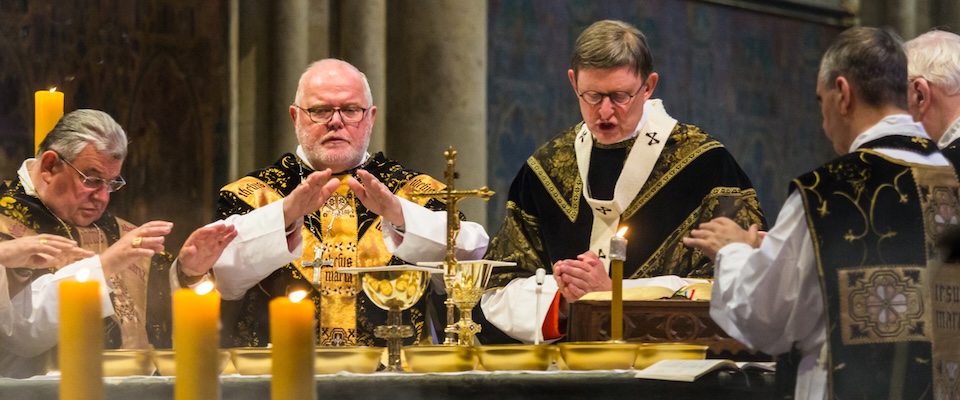
The Catholic Church makes a much richer and stranger claim about her priests than simply that they are leaders. A priest is a man who may confect the Eucharist and forgive sins. If you do not, as my atheist friends and Protestant interlocutor did not, believe that the Eucharist is Christ’s Body and Blood, then you do not believe there are any priests as I understand them.
It would be very strange, if you found your friend had a delusional belief about meeting a male unicorn, to commit to convincing them that they ought, for equity’s sake, try to believe in female unicorns as well. Similarly, if you believe there are not priests in the manner the Church claims, it would be very odd to commit to asking the Church to invite women to pretend to be priests in the same way you believe the men are presently pretending. Before you can answer the question of whether there can be women priests, you have to settle whether there are any priests and any sacraments at all. Only if that proves to be true can you move on to the question of whom Christ has chosen to be a channel of these graces.