

"In Smith’s diagnosis, one of the ways we neglect God is by refusing his humblest gifts. We might meditate on the readings at church, do a little devotional reading at home, and keep tabs on blog posts online, but we run the risk of 'approach[ing] discipleship as primarily a didactic endeavor—as if becoming a disciple… Read More
Tag: Bookshelf
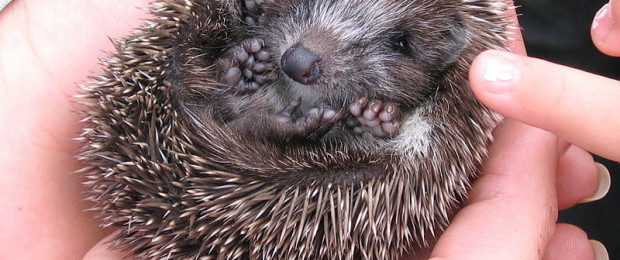
Give Us This Day Our Daily Hedgehog
"After Aslan is resurrected [in The Lion, The Witch, and the Wardrobe], he travels to the witch’s castle and frees the animals she had turned to stone. A lion he rescues is so overwhelmed by this grace that he doesn’t quite know what to do with himself. The most pleased of the lot was the… Read More

Screwtape in Vegas: Addiction & Acedia
"Slots, video poker, and other gambling machines are often described as games, but Schüll’s description [in Addiction by Design: Machine Gambling in Las Vegas] makes it clear how completely play is lacking from these terminals. Some machines allow gamblers to “autoplay”: they simply insert their money, press a single button, and let the machine spin… Read More

The Little Way of Terry Pratchett
"Reading [Terry Pratchett's Granny Weatherwax] as an atheist, it was the first time I’d seen a definition of sin that didn’t sound like, as Francis Spufford describes our modern use of the word in Unapologetic, a kind of “enjoyable naughtiness” that seemed mostly to do with sex or very expensive chocolates. But the kind of sin… Read More
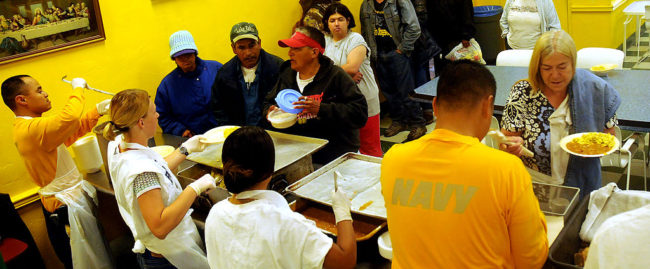
Both/And Philanthropy
"Jeremy Beer endorses local charities [in The Philanthropic Revolution: An Alternative History of American Charity], which can best further what he sees as the primary purpose of philanthropy, 'to increase opportunities for and strengthen the possibilities of authentic human communion.' In contrast, William MacAskill [in Doing Good Better] cuts ties with a charity focusing on… Read More

Against Fairness
"Stephen T. Asma’s book is titled Against Fairness, but it doesn’t take too long for the reader to discover what he is for. Asma thinks we’ve neglected nepotism, favoritism, and particularity in our relationships and our moral reasoning. Our natural impulse to play favorites is, in his opinion, actively suppressed: children have to bring in… Read More

Why Priests?
"[In Why Priests? A Failed Tradition, Garry] Wills sees the pomp and circumstance of church as drawing our attention away from the God who became Man and directing it towards just one particular man, swathed in robes and standing front stage center. But when an actor puts on costuming and grease- paint, she does it to become… Read More

Philip Pullman’s Grimm Fairy Tales
"Why does God feel so far from the magical world? Fairy tales are, after all, not anarchic; there is a strong moral component to many stories (the virtuous third son succeeds where his vice-ridden brothers have failed; secret sins are revealed grotesquely). In addition to law, there is some kind of law keeper, since justice… Read More